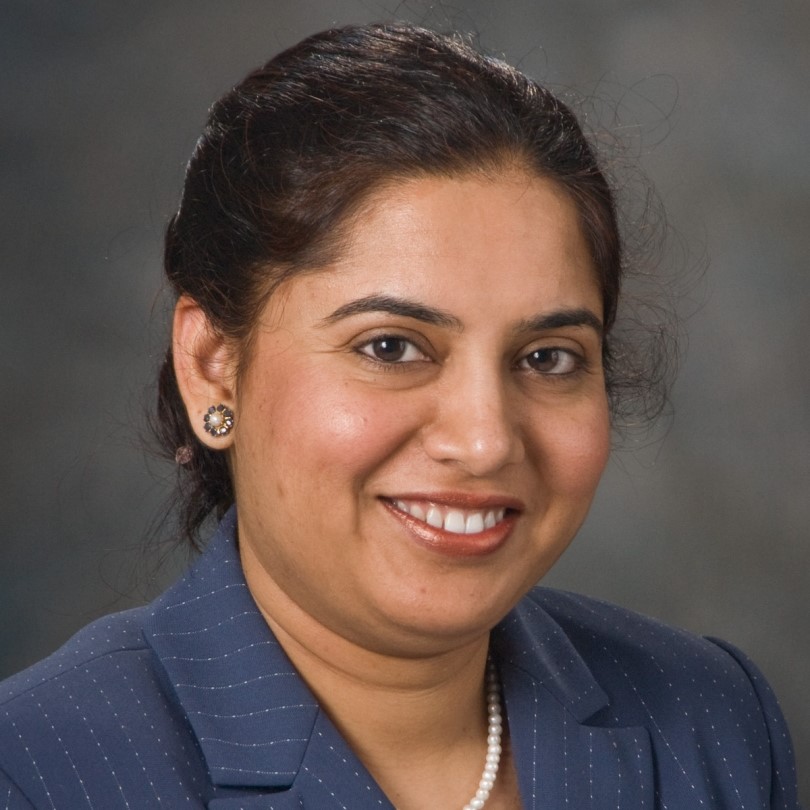
Chair
Dr. Anjana Bhardwaj
The University of Texas MD Anderson Cancer Center

Facilitating network-wide sharing of scientific resources, models, assays, data, and expertise to accelerate cancer immunoprevention research and reduce duplication across CIP-Net sites.
To promote collaborative, efficient, and reproducible cancer immunoprevention research by identifying shared needs, cataloging available resources, and facilitating access to expertise, data, SOPs, models, and institutional capabilities across the CIP-Net network.
The University of Texas MD Anderson Cancer Center

Roswell Park Comprehensive Cancer Center
Cancer immunoprevention research often requires specialized animal models, humanized systems, HLA-restricted tools, custom reagents, standardized assays, and long development timelines. The Working Group helps CIP-Net sites operate as a coordinated network rather than isolated laboratories.
The Working Group organizes network resources into practical categories that can be searched, requested, and updated through the CIP-Net Intranet.
Pipelines, software, NGS analysis, statistics, and DRCC support pathways.
Specialized, humanized, syngeneic, and disease-relevant prevention models.
Engineered target cells, HLA-expressing lines, organoids, and tumor models.
HLA constructs, vaccine templates, biological materials, and related reagents.
Validated protocols for assays, flow cytometry, IHC, microbiome, and animal work.
RNA-seq, scRNA-seq, spatial, microbiome, and other shareable datasets.
Institutional cores, specialized equipment, NGS, imaging, and technical services.
Technical consultation, troubleshooting, experimental design, and cross-site support.
For questions about the Resource Sharing Working Group, resource registry, SOP submissions, or DRCC support pathways, please contact the CIP-Net Data and Resource Coordinating Center.